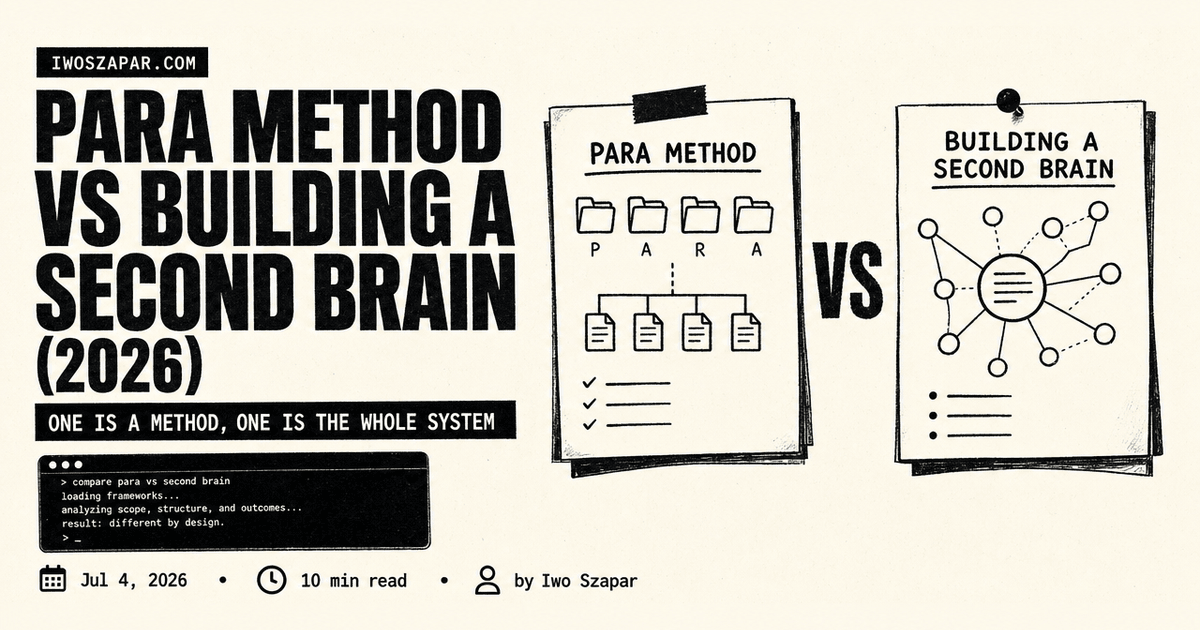
PARA Method vs Building a Second Brain (2026)
One is a method, one is the whole system
If you have spent an afternoon reading about note-taking systems, you have probably seen PARA and Building a Second Brain used almost interchangeably, sometimes in the same paragraph. That is where the confusion starts. People type "PARA method vs Building a Second Brain" into search expecting a head-to-head, as if they have to pick one. They do not compete. One is a filing method. The other is the whole system that filing method lives inside.
Both come from the same person, Tiago Forte, which is exactly why they blur together. Building a Second Brain is his book and the broader system it describes. PARA is one specific part of that system: the way you organize what you save. Once you see how they nest, the choice stops being "which one" and becomes "how do these work together," and then a newer question for 2026: what changes when an AI assistant does the filing for you.
PARA vs Building a Second Brain: the short answer
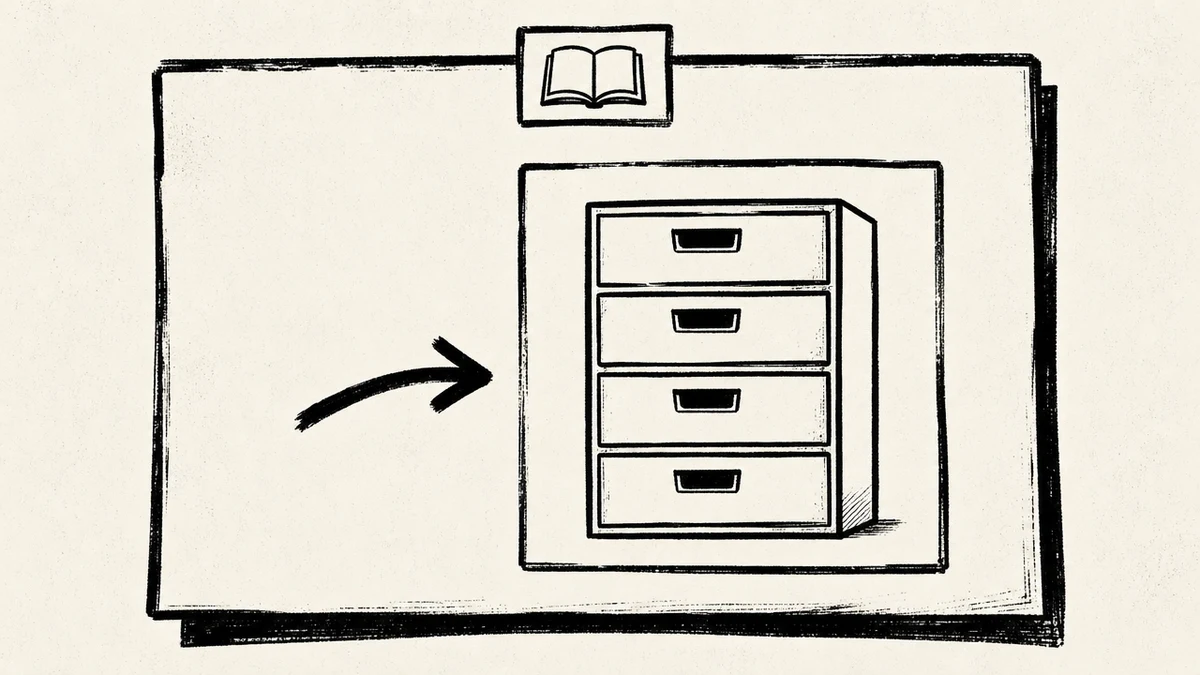
Here is the distinction in one line. PARA is a method for organizing information into four buckets. Building a Second Brain (BASB) is Tiago Forte's book and system for capturing, organizing, refining, and using knowledge, and PARA is the organizing step inside it.
Think of it like a kitchen. Building a Second Brain is the whole practice of cooking: sourcing ingredients, prepping, seasoning, plating. PARA is how you arrange the pantry so you can find things. A well-arranged pantry helps enormously, but it is not the same as knowing how to cook. You can use PARA without ever reading the book, and you can absorb the ideas in the book while barely thinking about PARA. Most people who go deep end up using both, because they were designed to fit.
| PARA method | Building a Second Brain | |
|---|---|---|
| What it is | An organizing method | A book and a full system |
| Author | Tiago Forte | Tiago Forte |
| Scope | One step: where things live | The whole knowledge practice |
| Made of | Four buckets: Projects, Areas, Resources, Archives | The CODE workflow, with PARA as its Organize step |
| Answers | "Where does this note go?" | "How do I capture and use knowledge over a lifetime?" |
| Can stand alone | Yes, as a filing system | Yes, and it includes PARA |
The rest of this post unpacks each side, then reframes the whole comparison for readers who are building their knowledge system with an AI assistant rather than a notes app.
What is the PARA method?
PARA stands for Projects, Areas, Resources, Archives. It is a way to sort every note, file, and saved link into one of four buckets, based on how actionable each thing is right now rather than what topic it belongs to. That last part is the whole trick. Most people file by subject, which sounds tidy but buries the thing you actually need under everything vaguely related to it.
The four buckets break down like this:
- Projects. Active efforts with a finish line and a deadline. Launch the newsletter, hire a designer, file the taxes. A project is done and then it is over.
- Areas. Ongoing responsibilities with no end date. Health, finances, a specific client relationship, the team you manage. You maintain an area, you do not complete it.
- Resources. Topics and references you care about but that are not tied to a current project or responsibility. Saved articles, a swipe file, research for something you might do later.
- Archives. Anything from the other three buckets that has gone cold. A finished project, an area you no longer own, a resource you have lost interest in. Out of the way, but not deleted.
The reason PARA works is that it maps to attention instead of category. When you sit down to work, you care about your active projects, so those sit up front. Everything else recedes until it becomes relevant. If you want the full setup with worked examples and the places where PARA breaks down, the complete PARA method guide walks through it end to end. This post stays on the comparison.
What is Building a Second Brain?
Building a Second Brain is a book by Tiago Forte, published in 2022, and the name of the broader personal knowledge management system it teaches. The core premise is old and borrowed honestly from David Allen's Getting Things Done: your brain is for having ideas, not holding them. Offload the holding to an external system, a "second brain," and free the first one to think.
The engine of the book is a four-step workflow Forte calls CODE:
- Capture. Save what resonates. Not everything, just the ideas, quotes, and snippets that strike you as useful or interesting.
- Organize. File what you captured so you can find it later. This is where PARA lives. Organize is the step, PARA is the method that does it.
- Distill. Refine saved notes down to their essence so a future you can grasp them at a glance instead of rereading a wall of text.
- Express. Actually use the knowledge. Turn it into writing, decisions, projects, output. Forte's argument is that a second brain that never produces anything is just a hoarding habit with better software.
So PARA is not a competitor to Building a Second Brain. It is the "O" in CODE. That is the single fact most of the confusion comes down to. Forte wrote both, and he wrote a separate shorter book, The PARA Method, in 2023, which is likely why they float around as two brand names that sound like alternatives. They are not alternatives. One nests inside the other.
To be clear about framing: Building a Second Brain is Tiago Forte's work, and everything below about running these ideas with an AI assistant is our own commentary and adaptation, not anything endorsed by or affiliated with Forte.
How CODE and PARA fit together
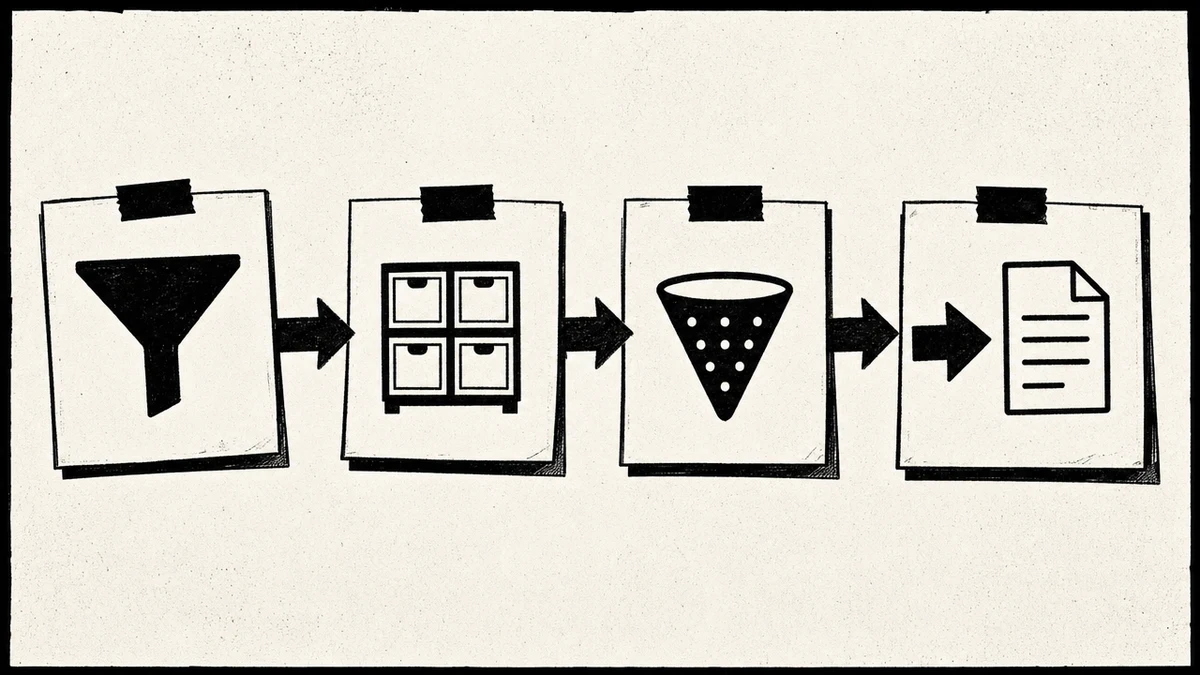
If you only remember one diagram from this comparison, make it this: CODE is the workflow, PARA is one stage of it.
Picture the flow left to right. Something catches your attention, so you Capture it. It needs a home, so you Organize it, and Organize means dropping it into a Project, Area, Resource, or Archive. Later you Distill the notes that matter into something skimmable. Finally you Express, pulling the distilled material into real work. PARA is the second station on that line. Without it, capture piles up into a swamp you cannot search. Without CODE around it, PARA is a tidy filing cabinet that nothing flows into or out of.
This is why "PARA vs Building a Second Brain" is the wrong frame. The honest comparison is scope. PARA answers one question, where does this note go. Building a Second Brain answers the lifecycle question, how do I turn a stream of information into knowledge I actually use. You can adopt PARA alone if all you want is a saner folder structure. You reach for the full system when the folder structure was never really the problem.
The deeper issue, and the reason so many second brains quietly die, is that all four CODE steps assume a human keeps doing them. You have to remember to capture. You have to file into the right PARA bucket. You have to circle back and distill. Miss a few busy weeks and the system rots. That maintenance burden is exactly what changes in 2026.
If doing the capture, filing, and distilling by hand is the part you already know you will not keep up, that is worth naming. Iwo's Second Brain, built on Iwo's MemoryOS, does the filing and remembering for you so a PARA-shaped structure stays alive without the upkeep. If you want to see where your current setup stands before changing anything, the free Health Check scores it in a few minutes, no commitment.
Where an AI second brain changes the comparison
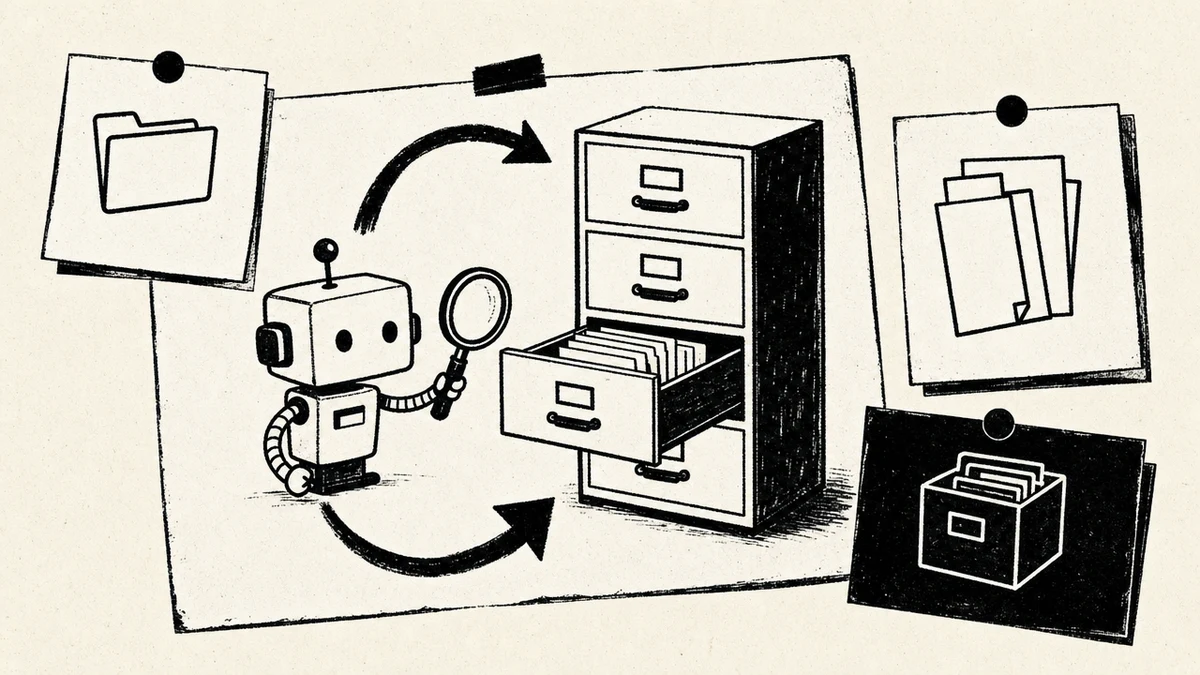
Here is the shift. Both PARA and CODE were designed for a person with a notes app. The person captures, the person organizes, the person distills. An AI second brain moves that labor to an assistant with persistent memory, so the filing and recall happen without you being the librarian.
The structure survives the shift, which is the interesting part. PARA's four buckets are still a good way to sort by actionability, and an AI assistant can file into them just as a human would. Projects, areas, resources, and archives translate cleanly into typed memory an agent reads and writes. What changes is who does the work at each CODE step:
- Capture stops being a discipline you have to sustain. The assistant notices a decision or a fact worth keeping during a normal working session and saves it, so good information stops evaporating when the chat ends.
- Organize happens on write. The assistant files each new note into the right bucket by type, so you are not the one dragging things into folders.
- Distill becomes retrieval-shaped. Instead of manually summarizing, you ask, and the assistant returns the distilled version of what it holds on that topic.
- Express is where you still lead. You decide, you write, you ship. The assistant hands you the loaded context so you start from your own accumulated knowledge instead of a blank page.
The practical version of this needs a memory layer the assistant can both read and write through a real connection, not a notes app it can only glance at when you paste something in. In 2026 that layer is usually an MCP memory server. Iwo's Second Brain is built on Iwo's MemoryOS, an MCP memory server that gives an assistant like Claude the ability to write facts, file them by type, and query them back. It runs across Claude Code, Cowork, Desktop, Cursor, and Windsurf, so the same memory follows you between tools. The point is not to replace PARA. It is to keep a PARA-shaped structure alive without a human doing the upkeep that kills most second brains.
Which one should you actually learn?
That depends on where the friction is. If your saved notes are a mess and you cannot find anything, learn PARA first. It is small, it is fast to adopt, and it solves the "where does this go" problem directly. You can be running it by the end of the day.
If your problem is bigger, that you save things and never use them, or you keep starting knowledge systems and abandoning them, the full Building a Second Brain approach is the more complete answer, because it addresses capture and expression, not just filing. PARA alone will not make you use what you save.
And if you have already noticed that the real problem is maintenance, that every system you build depends on you tending it forever, then the honest recommendation for 2026 is to keep the PARA structure but hand the tending to an AI assistant with memory. You get the organizing logic that works and lose the upkeep that does not. For the broader concept of a knowledge system that maintains itself, the AI second brain guide covers the shape, and if you want the argument for why the old note-first approach struggles now, why personal knowledge management is broken in the AI era makes the case.
Common mistakes when comparing the two
A few misreadings show up constantly, and each one leads people to the wrong setup.
- Treating them as rival products. They are not two apps you choose between. PARA is a method, Building a Second Brain is a system that uses it. Adopting one does not exclude the other.
- Assuming PARA is the whole book. PARA is the organizing step. If you learn only PARA, you have a filing system but none of the capture and expression that makes the knowledge pay off.
- Filing by topic anyway. People adopt the four buckets but keep sorting by subject inside them, which quietly recreates the original mess. Actionability first, topic second.
- Copying either system by hand and expecting it to stick. The methods are sound. The failure point is almost always maintenance, not design. If you are not going to tend it, choose a setup where something else does.
If you are weighing a specific set of tools rather than the methods themselves, the best AI second brain solutions roundup compares the options that run this kind of memory for you.
FAQ
Is PARA the same as Building a Second Brain?
No. PARA is an organizing method with four buckets: Projects, Areas, Resources, Archives. Building a Second Brain is Tiago Forte's book and the wider system it teaches, and PARA is one part of that system, specifically the Organize step. PARA is a component, Building a Second Brain is the whole.
Who created PARA and Building a Second Brain?
Both come from Tiago Forte. He introduced PARA as an organizing method and published Building a Second Brain as a book in 2022, followed by a shorter book called The PARA Method in 2023. Because he authored both, the two names often get treated as competing systems when one actually sits inside the other. This post is independent commentary and is not affiliated with or endorsed by Forte.
What is the CODE method and how does PARA relate to it?
CODE is the four-step workflow at the center of Building a Second Brain: Capture, Organize, Distill, Express. PARA is the method used in the Organize step. So CODE is the full lifecycle of a note, and PARA is specifically how you decide where each note lives during that lifecycle.
Do I need to use both PARA and CODE together?
You can use PARA on its own as a filing system without the rest. You get the most out of it inside the full CODE workflow, because organizing is only useful if you are also capturing well and actually using what you save. Many people start with PARA for quick relief, then adopt the broader system when filing alone does not solve the deeper problem.
Where does an AI second brain fit into PARA and Building a Second Brain?
An AI second brain keeps the same structure but moves the labor to an assistant with persistent memory. The PARA buckets still sort by actionability, and the CODE steps still describe the flow, but the assistant handles capture, organizing, and recall so you are not maintaining it by hand. The organizing logic stays, the upkeep leaves. Iwo's Second Brain on MemoryOS is one implementation of that memory layer.
Should a beginner start with PARA or Building a Second Brain?
Start with PARA if your immediate problem is that you cannot find your notes, since it is quick to set up and solves that directly. Move to the full Building a Second Brain system if your problem is that you save things and never use them. If you already know maintenance is your weak point, set up an AI second brain that keeps a PARA-style structure without you tending it.
Keep the structure, drop the upkeep
PARA gives you a structure that works. The reason second brains still fail is that the structure needs constant tending, and you are busy. The single next step that costs you nothing is the free Health Check: it scores your current setup in a few minutes and shows you where the maintenance is leaking, with no commitment. From there, Iwo's Second Brain keeps a PARA-shaped memory alive on its own so an AI assistant does the capturing and filing while you do the thinking. For the method itself in full, read the complete PARA method guide.
Related guides
Read next
The AI second brain guide
What an AI second brain is, and how the pieces fit together.
Read next
How to use PARA in an AI second brain
Where the PARA folders still help once AI holds the context.
Apply it
Second Brain demo
See the product workflow before choosing a package.
Product path
AI Second Brain
The product path for people who want the system built.