Claude Code Skills by Fable 5: They Run in Codex Too
The smart model writes. Your daily model keeps it.
Update, July 7, 2026: Anthropic extended Fable 5's included access to about July 12, 2026. The six skills here keep working regardless. Latest: Claude Fable 5 is still included until July 12.
The most useful thing I did with Claude Fable 5's included-access window was not writing code. I had the smarter model write six Claude Code skills for the model I actually run daily, blind-tested them on Opus 4.8, and published every result: 12 wins, 0 losses, 2 ties. Reddit named the move skill distillation. The part almost everyone missed: SKILL.md is an open standard now, so the same six files also run in Codex CLI and Gemini CLI.
What are Claude Code skills, and who should write them?
A Claude Code skill is a markdown file the model loads and follows. It lives in a folder with a SKILL.md inside, it carries a name, a description, and plain instructions, and the agent picks it up automatically when the task matches. No weights, no fine-tuning, no API. Instructions in a file.
That plainness is the point. A skill is the cheapest durable form of model behavior that exists. You can read it, edit it, version it, and carry it with you when the model underneath you changes.
Which raises the question this post is really about. If a skill is just written discipline, who writes the discipline best? Not you, and not your daily model. The best author of a skill is a smarter model than the one you run every day. You borrow the expensive brain once, and the cheap brain follows its notes forever.
Fable 5 gave everyone a short window to test that idea for free.
The Reddit thread that named it skill distillation
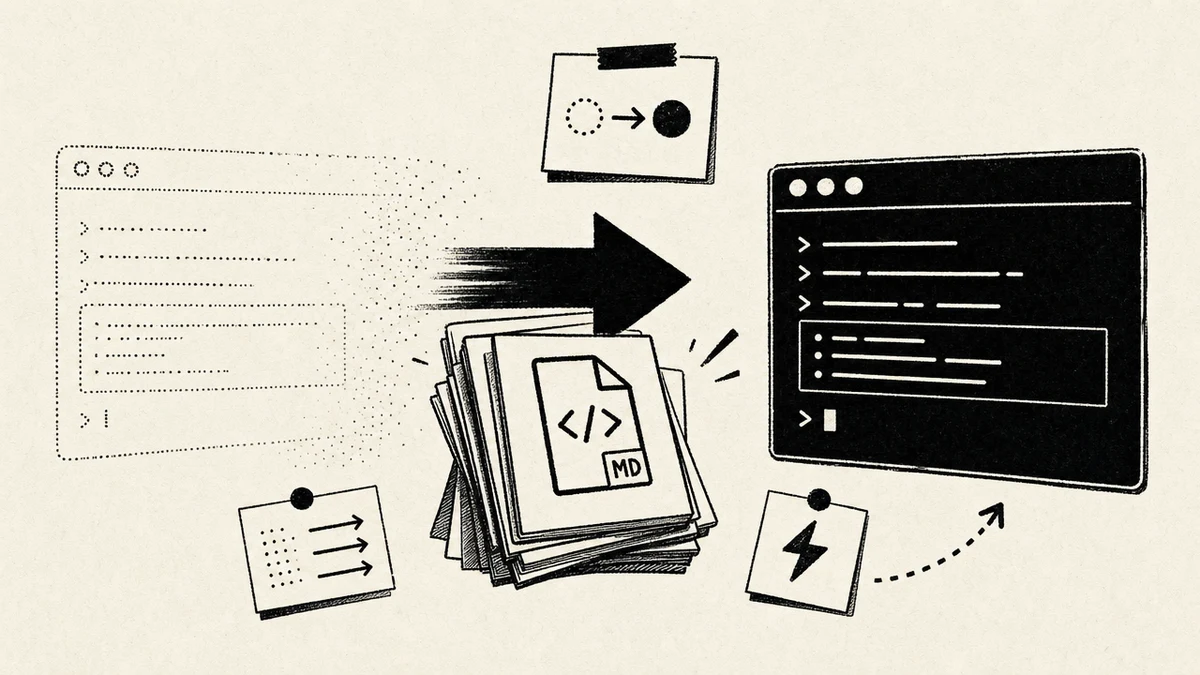
On July 1, Anthropic redeployed Fable 5 with its included-plan access ending July 7, after which it moves to metered usage credits at $10 per million input tokens and $50 per million output. A Reddit thread with hundreds of comments made the obvious move explicit: have Fable 5 write skills for Opus 4.8 before the meter starts. The idea escaped the subreddit within a day. Commenters started calling it skill distillation.
I will use their term, with one honest correction. Nothing about this distills the model. The weights, the knowledge, and the raw capability stay with Fable 5. What you extract is procedure: how it plans, how it verifies, how it edits. Written procedure survives the paywall. That is the whole trick, and it is enough.
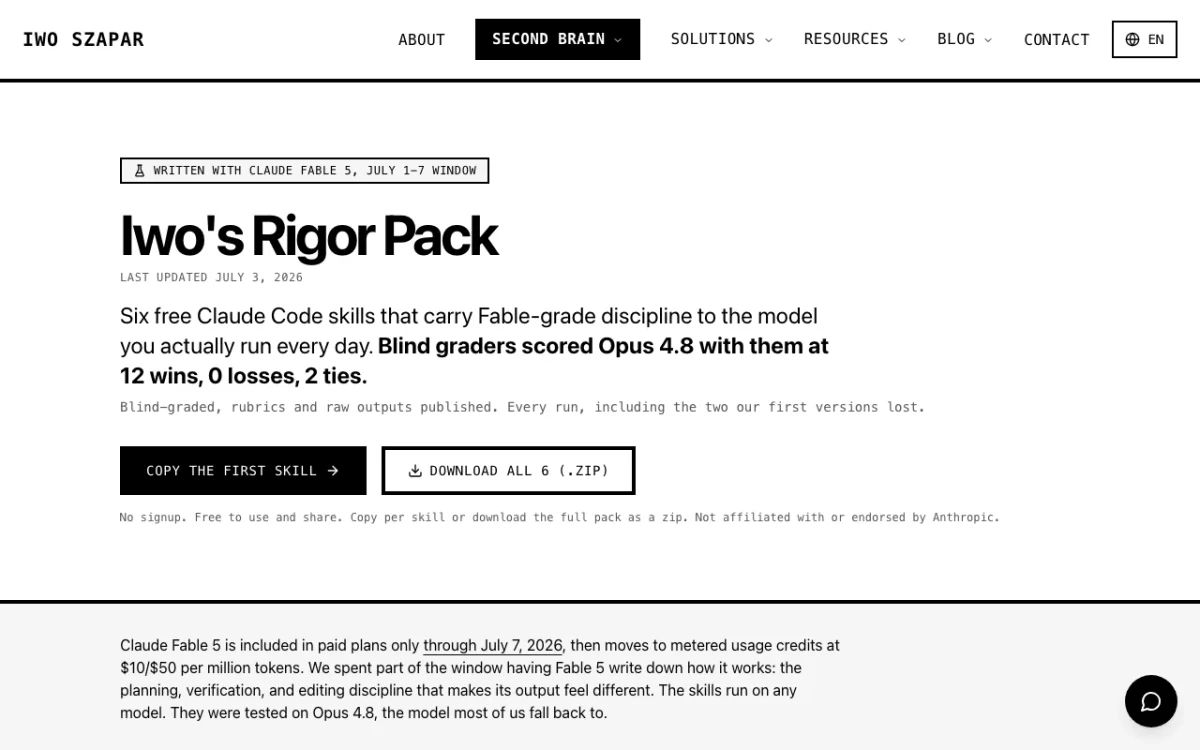
I did the homework the thread assigned. Fable 5 wrote six skills capturing its working discipline, I blind-tested them on Opus 4.8 with a grader that never knew which output used a skill, and I published all of it, including the two first versions that lost. The full story and the per-skill results table live in the launch post, and the skills themselves are free in Iwo's Rigor Pack. No signup, copy or download.
How to have a smarter model write your skills
The window that prompted this closes on July 7, but the method does not care which model is temporarily smarter than yours. It works for any gap: a frontier model on a trial, a pro tier you rent for one weekend, the next time any vendor gives you two weeks of something expensive. Here is the exact process.
- Pick a discipline gap, not a task. A skill that says "write my unit tests" is a prompt. A skill that says "no edits until a written plan exists" is a discipline. Ask the smarter model where your daily model cuts corners, and pick the habit worth keeping.
- Ask it to write the skill in its own voice, about its own behavior. The prompt that worked for me: describe the discipline you follow when you plan before editing, as a SKILL.md another model can load and follow. Require the frontmatter name and description, and require rules concrete enough to be checkable.
- Blind-test it, with and without. Run the same task twice on your daily model, once with the skill loaded, once without. Have a separate model grade the pair without knowing which is which. This step is not optional. There is published research showing some skills measure as placebo, and my own first versions of two skills lost their gradings before rewrites fixed them.
- Keep the losses. A skill that survives a blind test is worth keeping. A results page that shows only wins is marketing. The losses are what make the wins believable, to you and to anyone you share the pack with.
If you would rather start from tested files than a blank page, the six skills in the pack went through exactly this loop, and every task, rubric, and run ships with them.
Do Claude Code skills work in Codex CLI and Gemini CLI?
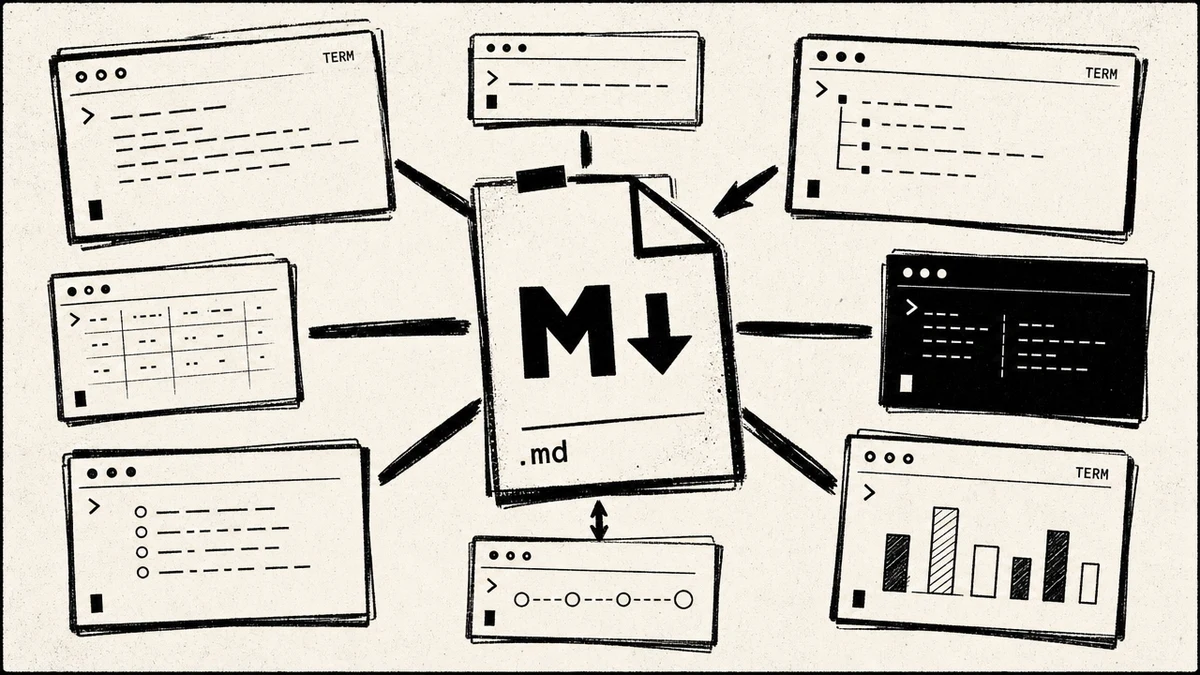
Yes, and this is the part almost nobody noticed during the window. SKILL.md stopped being a Claude-only format when Anthropic published the Agent Skills open standard, and the other vendors adopted it in their own first-party tooling. The same folder, the same frontmatter, the same markdown body.
Where each tool looks for skills, from the vendors' own documentation:
| Tool | Where skills live | Documented at |
|---|---|---|
| Claude Code | ~/.claude/skills/<name>/SKILL.md |
Claude Code skills docs |
| Codex CLI | ~/.agents/skills/<name>/SKILL.md |
OpenAI Codex skills docs |
| Gemini CLI | ~/.gemini/skills/ or the ~/.agents/skills/ alias |
Gemini CLI skills docs |
Notice the middle column. ~/.agents/skills/ is read by both Codex CLI and Gemini CLI. One copy of a skill folder in one directory covers both non-Claude tools, and dozens of other agents read the same standard.
So the practical version, if your daily driver is Codex or Gemini rather than Claude:
- Download or copy a skill from the Rigor Pack page.
- Place the folder at
~/.agents/skills/<skill-name>/so the file sits at~/.agents/skills/<skill-name>/SKILL.md. - In Gemini CLI,
/skills listshows it. Codex scans the directory on its own.
One line of honesty, because it is the same line that got this work cited in the first place. The format compatibility above is documented by the vendors. My performance numbers come from blind grading on Opus 4.8, so Opus 4.8 is the only model I make performance claims about. The tasks and rubrics are published with the pack, and rerunning them on your own stack takes an afternoon.
What actually transfers between models?
Skills carry procedure, not knowledge. That shapes what you should expect when the model underneath changes.
What transfers: the checkable habits. A rule like "state the plan before the first edit" or "verify against the live system before asserting" does not depend on which model reads it. The blind graders on Opus 4.8 cited exactly these behaviors as the difference between the with-skill and without-skill runs.
What does not transfer: capability. A skill cannot make a small model reason like a frontier model, and anyone selling that framing is selling placebo. The honest claim is narrower and more useful. A skill moves a model from its lazy default to its careful mode, and the value of that gap is largest on precisely the models you run daily to save money.
What I have measured so far: 12 wins, 0 losses, 2 ties across 14 blind gradings on Opus 4.8, at roughly 7% added token cost per task. What I have not measured yet: the same arms on other models and other agents. The tasks and rubrics are frozen, so those runs are next, and this section will be updated with whatever they show, wins or not.
The real lesson: rented intelligence expires
Step back from the window for a second, because the July 7 date is one instance of a permanent pattern.
Models rotate. Prices change, limits tighten, versions deprecate, vendors have outages, and every capability you rent can be repriced next quarter. The thread was right to feel urgency, but the urgency was never really about Fable 5. It is about the difference between intelligence you rent and intelligence you extract into files you own.
Skills are the extraction of a model's discipline. Plain files, portable across vendors, yours forever.
Your own context is the bigger half of the same problem. Every session, your agent relearns who you are, what you decided last month, and why. That knowledge evaporates on session end unless something durable catches it, and no skill can fix that, because skills carry procedure, not memory. That gap is what Iwo's Second Brain exists for: your decisions, context, and working knowledge in plain files the model reads, so every model that passes through your terminal is already smart about you. The extraction principle, applied to yourself. If the window taught one lesson worth keeping, it is that one. And a housekeeping note: the SB50 launch code takes 50% off through July 6, and the skills stay free either way.
FAQ
What is skill distillation? Skill distillation is the community's name for having a stronger model write agent skills that a cheaper daily model then follows. The term comes from a viral July 2026 Reddit thread about Fable 5's included-access window. Nothing about the model itself is distilled: what transfers is written procedure in a SKILL.md file.
Do Claude Code skills work in Codex CLI?
Yes. Codex CLI reads the same SKILL.md format from ~/.agents/skills/, documented in OpenAI's own Codex skills docs. Copy the skill folder there and Codex discovers it on scan. The format is the Agent Skills open standard, not a Claude-only feature.
Do Claude Code skills work in Gemini CLI?
Yes. Gemini CLI reads skills from ~/.gemini/skills/ and also honors the shared ~/.agents/skills/ directory. Run /skills list inside a session to confirm it discovered them.
Do skills written by one model work on another model? The format works anywhere the standard is supported, and the discipline a skill encodes is model-agnostic by design. Performance is a separate claim: my published numbers are blind-graded on Opus 4.8 only, and the tasks ship with the pack so you can rerun them on your own model.
Are AI-written skills placebo? Some are. Published research found skills that show no measurable benefit, and two of my own first versions lost their blind gradings before I rewrote them. The fix is testing: with-versus-without runs, graded blind, with the losses published alongside the wins.
Can I still use Fable 5 after July 7, 2026? Yes, but metered. After July 7 it costs usage credits at $10 per million input tokens and $50 per million output on top of a paid plan. That pricing is exactly why written-down discipline that runs on your included daily model is the asset worth keeping.
The meter starts July 7, so here is how to make the most of Fable 5 on its last included day. The files are yours forever. Get the pack.
Related guides
Apply it
Skill Distillation Kit
Turn one strong session into reusable skill instructions.
Apply it
Second Brain Boilerplate
A starter repo for persistent context, memory, and MCP-backed agent work.
Product path
Second Brain 2.0 for local agents
The full operating system for Codex, Claude Code, and local agent workflows.
Product path
MemoryOS
Persistent memory and skill infrastructure for serious AI work.